A Power Play on Scottish Soil
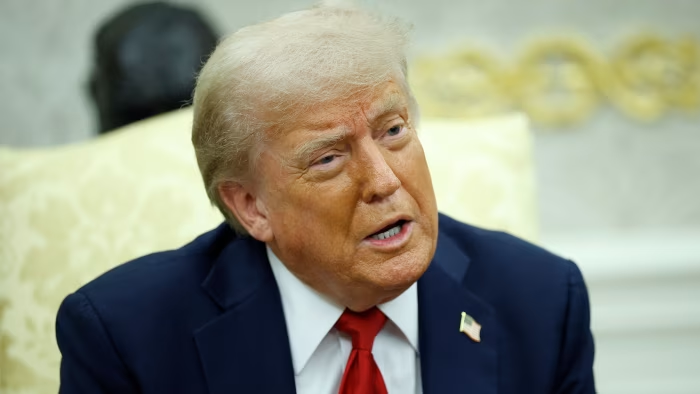
Six months into his second term, U.S. President Donald Trump is redefining global diplomacy — not through traditional statecraft but with bold, theatrical optics and an iron-fisted leadership style. His recent meeting with UK Prime Minister Keir Starmer at Trump Turnberry in Scotland looked less like diplomacy and more like empire-building.
The tone was unmistakable: Trump, the host, positioned himself as a sovereign ruler. Starmer, despite being the UK’s leader, was relegated to a symbolic role as Trump flexed personal power from his luxury golf estate in his ancestral homeland.
Flying the British Prime Minister aboard Air Force One across Scotland, Trump turned a diplomatic visit into a display of dominance. For Trump, image is policy. But beneath the pageantry lies a more pressing question: Will Trump’s handling of global crises in Gaza and Ukraine expose him as a serious leader or a geopolitical bully?
Trump’s “Winning” Streak: Tactical Triumphs or Political Theater?
Global Dominance, Domestic Control
Trump’s second term has been defined by hardline actions. He has imposed new tariffs, undermined the global free trade system, bullied NATO allies into increasing defense spending, and ordered airstrikes on Iran’s nuclear facilities. At home, his dominance is just as evident:
-
Congress has been largely sidelined.
-
Elite universities face ideological crackdowns.
-
The justice system is being leveraged against political enemies.
-
The U.S. southern border is virtually sealed.
These moves have thrilled his MAGA base. Trump promised endless “winning,” and now he claims to be delivering. But is he securing long-term gains for the American people, or simply indulging his appetite for short-term wins and personal glory?
The Two Litmus Tests: Gaza and Ukraine
Trump’s real test as a leader won’t come through ceremonial photo-ops or punishing tariffs. It will come through his response to two of the world’s most urgent crises: Gaza and Ukraine.
The Gaza Famine: Leadership or Lip Service?
Trump’s Shift on Israel
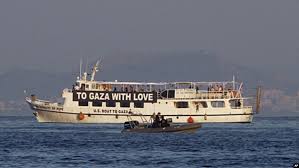
During his Scotland trip, Trump responded to graphic images of starving children in Gaza by calling out Israeli Prime Minister Benjamin Netanyahu, contradicting his claim that there is “no starvation” in the besieged region.
“We have to get the kids fed,” Trump said, pledging to open food distribution centers in Gaza. The remark caught many off guard — it was a surprising divergence from a traditionally hardline stance aligned with Israel.
Could this be a genuine shift in policy? Perhaps. Trump, despite his combative rhetoric, has shown emotional vulnerability to humanitarian crises before, such as his swift missile strikes in Syria after chemical attacks on children in 2017.
Symbolism vs Substance
Yet skeptics argue this may be more about optics than outcome. Trump’s past suggestions that Gaza could be cleared for “Middle East Riviera” beach resorts, combined with his deep cuts to USAID, cast doubt on the sincerity of his humanitarian pivot.
Creating aid corridors in a war zone is no easy feat. Civilians have been killed simply waiting in food lines. Without a coordinated international plan — or even engagement with UN agencies — Trump’s promise may prove more political theater than real relief.
Ukraine: The Clock Is Ticking
Putin on the Clock
Ukraine represents a more complex challenge for Trump. On Monday, he sharply criticized Russian President Vladimir Putin for ignoring what Trump described as “very generous” peace offers. He gave Moscow “10 or 12 days” to respond — a tightening of a previously issued 50-day deadline.
“We have such nice conversations. And then people die the following night,” Trump said, suggesting betrayal and disappointment in his dealings with Putin.
Real Pressure or Just Pouting?
If Trump truly shifts gears and applies secondary sanctions on Russia’s oil exports — a financial lifeline for the war effort — it would mark a serious escalation. But doing so would force Trump into conflict with China and India, key buyers of Russian crude.
Would Trump risk economic fallout or strained relations with Beijing — especially as his negotiators in Sweden are quietly pursuing a new trade agreement with China?
Nobel or Nothing?
There’s also the question of motive. Is Trump pivoting on Putin because he’s genuinely outraged over Ukraine’s suffering? Or is it because Russia’s continued aggression is undermining Trump’s desired image as a peace-broker — and potentially derailing his hopes of winning a Nobel Peace Prize?
Strategic Questions for Global Business and Leadership
The CEO Perspective: Risk or Reward?
For corporate leaders, Trump’s foreign policy poses both opportunities and risks:
-
Trade Realignment: Trump’s tariff-centric policies are reshaping global supply chains. Companies should prepare for economic nationalism, shifting trade routes, and localized manufacturing strategies.
-
Geopolitical Uncertainty: U.S. pressure on China and India could ripple across markets. CEOs need scenario plans for energy shocks, supply chain disruptions, and currency volatility.
-
Leadership Modeling: Trump’s style is authoritarian and combative. Executives must ask whether strong-arm tactics — in diplomacy or business — are sustainable or simply short-term strategies that undermine long-term trust.
The Moment of Truth
Trump has built his political identity on strength, showmanship, and disruption. But Gaza and Ukraine are not real estate deals or campaign rallies. They are crises of immense human cost that demand principled leadership, strategic vision, and a commitment to international cooperation.
If Trump follows through — using U.S. power to feed starving children and restrain authoritarian aggression — he may reshape his legacy as a bold, results-driven leader. If not, he risks confirming the fears of critics who see him as more bully than statesman.
The next few weeks may define the presidency — and global perception — of Donald J. Trump.