A Catastrophic Tragedy Raises New — and Old — Questions
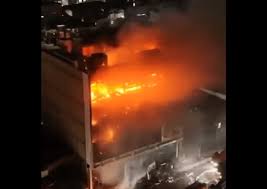
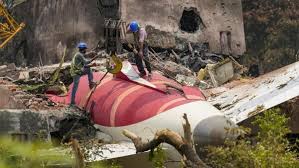
The fatal crash of Air India Flight 171 near Ahmedabad on July 12, 2025, killing 241 passengers and crew and 19 people on the ground, has not only devastated families but reignited a long-standing and divisive debate in the aviation industry: Should cockpit video recorders be mandatory in commercial aircraft?
As investigators sift through the wreckage of the Boeing 787-8 Dreamliner, preliminary findings suggest a possible error by one of the pilots — a decision that may have involved cutting off fuel supply seconds after takeoff. With only one survivor, and incomplete data from existing flight recorders, many aviation experts believe cockpit video footage could have provided critical clarity.
Industry Leaders Call for Change
IATA Chief: “The Argument Is Strong”
In the wake of the tragedy, Willie Walsh, Director General of the International Air Transport Association (IATA) and a former pilot himself, publicly backed the inclusion of video monitoring in cockpits.
“It’s quite possible that a video recording, in addition to voice and flight data, would significantly assist the investigation,” Walsh said at a conference in Singapore. “The argument for cockpit cameras has never been stronger.”
Walsh joins a growing list of industry veterans who believe the integration of image-based evidence could enhance safety and provide irrefutable insight in crash probes.
Why Cockpit Video Recorders Matter
Filling the Gaps in Modern Flight Investigations
Currently, aviation safety investigations rely primarily on Cockpit Voice Recorders (CVRs) and Flight Data Recorders (FDRs) — the so-called “black boxes.” While these tools are essential, they do not always provide the full picture, especially when pilot behavior or human error is suspected.
In the Robinson R66 helicopter crash in Australia (2023), cockpit video proved invaluable. The pilot, investigators discovered, had been distracted by phone use and eating — a discovery made possible only through in-flight video.
The Australian Transport Safety Bureau (ATSB) commended Robinson Helicopters for installing cameras and encouraged broader industry adoption.
“Without the video, we wouldn’t have understood the pilot’s focus, or lack thereof, during critical flight moments,” the report noted.
The Pushback: Privacy, Misuse, and Legal Fears
Pilot Unions Voice Deep Concerns
While some see cockpit video as a necessary evolution in flight safety, others — especially pilots’ unions — view it as an overreach and invasion of privacy.
The Air Line Pilots Association (ALPA) and the Allied Pilots Association (APA) argue that current tools already provide sufficient data and that video could be used punitively rather than purely for safety.
“It’s easy to say ‘more information is better,’ but pilots already work under intense scrutiny,” said APA spokesperson and American Airlines pilot Dennis Tajer. “We don’t need cameras watching every move.”
Further concerns include:
-
Potential misuse by airlines for disciplinary reasons
-
Public leaks of crash footage
-
Psychological toll on pilot families if video is aired publicly
-
Data confidentiality standards not being reliably upheld worldwide
“Nobody’s death should be broadcast on the 6 o’clock news,” said John Cox, a former pilot and aviation safety expert. “Until we can guarantee confidentiality globally, it’s a dangerous road.”
The International Federation of Air Line Pilots’ Associations (IFALPA) has echoed those sentiments, stating it has “absolutely no doubt” that cockpit video data would be leaked in the name of sensationalism.
A Divided Industry: Technology vs Trust
The Regulatory Limbo
Despite repeated calls since the 1999 EgyptAir Flight 990 crash — where a first officer intentionally brought down the aircraft — regulators in the U.S., Europe, and Asia have not mandated cockpit cameras.
In 2000, then-NTSB Chairman Jim Hall advocated for cockpit image recorders, arguing that safety must outweigh privacy. But nearly 25 years later, the debate remains unresolved.
Manufacturers such as Boeing and Airbus have been silent on whether cockpit video options are available to airlines upon request. Boeing declined to comment, while Airbus did not respond.
Could the Air India Crash Be the Turning Point?
Many aviation professionals, including crash investigator Anthony Brickhouse, believe that video from Flight 171 would have answered “lots of questions.”
“As an investigator, I want every tool possible. Video could tell us what we missed in audio and data,” Brickhouse said.
India’s Aircraft Accident Investigation Bureau (AAIB) is expected to release a final report within a year, but growing pressure from international voices may fast-track broader regulatory review.
What Airlines and Executives Should Do Now
CEO Takeaways: A Risk and Reputation Management Issue
For aviation CEOs, regulators, and safety officers, the Air India crash represents a crucial decision point. The balance between protecting employee rights and ensuring passenger safety is delicate — but it is no longer theoretical.
Airlines that lead on transparency, privacy protection, and safety technology may enjoy stronger public trust in an era where crisis response and brand reputation are deeply linked.
Considerations for airline executives:
-
Evaluate the feasibility of voluntary cockpit video recorders
-
Collaborate with unions to establish clear confidentiality protocols
-
Push for encrypted, investigator-only access to video data
-
Engage with international regulators to shape standardized safeguards
By moving first and doing it right, airlines can be proactive leaders in safety, not reactive followers after tragedy.
Privacy vs Public Safety — Which Way Will the Scale Tip?
The debate over cockpit video recorders is not new. But the deadliest crash in India’s modern aviation history has brought it back to center stage — with the public, regulators, and aviation leaders watching closely.
As airlines continue to grapple with this dilemma, one thing is clear: In the era of digital transparency, silence is no longer a neutral stance.