21 Activists Seized at Sea—Now Facing Deportation or Detention
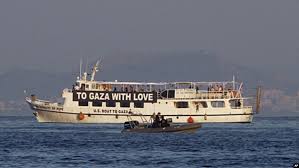
In a dramatic escalation of tensions surrounding the Israeli blockade of Gaza, Israel has detained and begun deportation proceedings against 21 international activists captured aboard the Handala, a boat attempting to breach the maritime blockade and deliver aid to the besieged Palestinian territory.
The Handala, operated by the Freedom Flotilla Coalition (FFC), was boarded late Saturday in international waters. The crew—activists from 10 countries—was taken to the Israeli port of Ashdod and placed under immigration law custody, according to legal advocacy group Adalah.
The situation has now evolved into a high-profile legal and diplomatic flashpoint, pitting Israeli enforcement policies against growing international scrutiny over the legality of Gaza’s blockade and the treatment of peaceful protesters.
Legal Group Says Detainees Were Taken Against Their Will
“Voluntary Deportation” or Tribunal Detention
Adalah, a prominent legal rights centre advising the detained activists, stated that the flotilla was intercepted in international waters and that passengers were forcibly brought into Israel.
“Israel is handling the custody of the volunteers as though they had entered the country illegally — even though they were forcibly taken from international waters and brought into Israel against their will,” Adalah emphasized in a public statement.
The detainees have been offered two stark options by Israeli authorities:
-
Sign a “voluntary” deportation order and leave Israel.
-
Remain in detention while awaiting a tribunal to review their deportation.
According to Adalah, three activists—a French lawmaker, an Italian national, and an American—have agreed to deportation and are expected to exit Israel within hours. Others, including another left-leaning French MP, Emma Fourreau, have refused to comply and remain in Israeli custody.
Dual U.S.-Israeli Nationals Released After Interrogation
Journalists and MPs Among Those Still Held
Of the 21 individuals detained:
-
Two dual U.S.-Israeli citizens were interrogated and released.
-
Twelve activists, including elected officials and NGO members, are still in detention.
-
Four other detainees, including two Al Jazeera journalists, have retained private legal counsel.
The presence of journalists and elected representatives among the detainees adds to the complexity of the issue and has triggered fresh diplomatic friction between Israel and European states.
Peaceful Mission or Provocation?
Flotilla Claims It Was Delivering Humanitarian Aid
Adalah and the FFC describe the Handala mission as a peaceful civilian voyage aimed at delivering a small consignment of humanitarian aid to Palestinians in Gaza. The activists had stated prior to departure that they would engage in a hunger strike if intercepted.
“The blockade itself is illegal under international law, and so is the capture of a vessel in international waters,” Adalah asserted.
Footage streamed live before midnight on Saturday showed Israeli commandos boarding the vessel. Online maritime tracking confirmed the Handala was in international waters, west of Gaza, at the time of its interception.
The Israeli Foreign Ministry, however, defended the navy’s actions, claiming it was acting to “ensure national security” and to prevent “unauthorized entry into restricted coastal waters.”
“All passengers are safe,” the Ministry said in a brief statement following the interception.
Flotilla Activism: A Growing Global Movement
Repeat Incidents Challenge Israeli Maritime Policy
The Handala incident is not isolated. On June 9, another flotilla boat—the Madleen—was intercepted by Israeli forces in similar circumstances. That vessel carried 12 campaigners, including Swedish climate activist Greta Thunberg, and was also towed to Ashdod. All of its passengers were expelled shortly after detention.
The recurrence of such flotilla attempts—and the increasingly high-profile passengers onboard—suggests a widening challenge to Israel’s maritime policy around Gaza.
What makes the Handala incident particularly controversial is its symbolic defiance of Israeli authority, coupled with legal claims that the entire operation occurred outside Israeli territorial waters.
International Legal and Diplomatic Ramifications
Could Israel’s Actions Trigger Further Diplomatic Fallout?
Several governments, particularly those of France and Italy, are now under pressure to respond to the detainment of their nationals—especially elected officials. Activist groups and international legal observers are also beginning to scrutinize Israel’s maritime tactics under the lens of international human rights law and freedom of navigation.
If Israel continues to treat these flotillas as illegal immigration cases—despite their capture occurring in international waters—it risks facing international legal challenges, UN resolutions, and greater diplomatic isolation, particularly in Europe.
For Israel, the legal logic is straightforward: no one enters Gaza without going through Israeli channels. For the activists, however, the Handala represented a moral protest against a blockade they deem inhumane and illegal.
What Happens Next?
Trials, Tribunals, and Global Media Attention
With 12 international activists refusing deportation, the coming days may bring high-profile tribunal hearings, increased media coverage, and potential international legal proceedings. Human rights organizations are likely to seize this opportunity to challenge Israel’s interpretation of maritime law and immigration enforcement.
The FFC has vowed to continue its missions despite repeated Israeli crackdowns. For its part, Israel appears resolute in its approach: intercept, detain, deport.
But as international voices—from Greta Thunberg to members of national parliaments—join the cause, Israel may find itself navigating not just the Mediterranean, but also a storm of legal and diplomatic resistance.