A Nightmare Born of Bureaucratic Error
Kilmar Ábrego García, a U.S. resident from Maryland, was wrongfully deported to El Salvador and then imprisoned in one of the world’s most secretive and feared detention centers—El Salvador’s Cecot, or Terrorism Confinement Center. According to newly filed court documents, his experience was not only unjust but horrifically inhumane.
For three months, Ábrego García says he endured physical and psychological torture, starvation, and threats of death—all while U.S. officials refused to intervene. Now back in U.S. federal custody, his case highlights a disturbing intersection of immigration failures, international human rights violations, and political scapegoating.
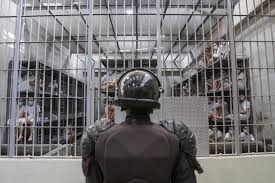
Torture Behind Bars: Inside Cecot’s Walls
The court filings, submitted in a federal district court in Maryland, offer one of the first comprehensive looks at what’s really happening inside Cecot. The megaprison, built under the leadership of Salvadoran President Nayib Bukele, has been lauded by some for its crackdown on gangs—but human rights groups call it a facility designed to “disappear” people.
What the Filings Reveal:
-
Forced kneeling from 9 PM to 6 AM, with physical beatings for anyone who collapsed.
-
No bathroom access, leading Ábrego García to soil himself regularly.
-
Cells were windowless, overcrowded, and kept under constant bright light.
-
Prisoners slept on bare metal bunks without mattresses.
Ábrego García reportedly lost 31 pounds in the first two weeks alone due to starvation and deprivation. The documents describe conditions akin to psychological warfare rather than correctional discipline.
A Staged Show for the World?
In a disturbing twist, the filings claim that some detainees, including Ábrego García, were moved temporarily to cleaner facilities, given mattresses, and offered better food—for the sake of staged photos meant to mislead observers into thinking conditions were improving.
“They were photographed with mattresses and better food—photos that appeared to be staged to document improved conditions,” the filing states.
Not a Gang Member: Yet Threatened with Death
Despite being detained in a facility primarily targeting gang members, prison officials acknowledged that Ábrego García was not affiliated with any gang, nor did his tattoos suggest such ties.
Officials reportedly told him: “Your tattoos are fine.”
Nevertheless, they allegedly threatened to move him into a gang cell—a move that guards implied would lead to his murder.
U.S. Mishandling and Shifting Narratives
Ábrego García was wrongfully deported by the Trump administration, which at first claimed it had no power to bring him back—only to reverse course and return him to the U.S. months later. He now sits in federal custody in Nashville, accused of human smuggling, charges his lawyers call a smokescreen to cover up the administration’s initial error.
Former President Donald Trump has personally accused Ábrego García of being an MS-13 gang member, despite contradictory statements from Salvadoran officials.
Legal Limbo: Will He Be Deported Again?
A judge in Tennessee ordered his release last Sunday while his criminal case plays out—but U.S. prosecutors immediately intervened, saying that Immigration and Customs Enforcement (ICE) would detain him and deport him again before he could stand trial.
Adding to the chaos, Justice Department officials have contradicted each other on his deportation destination. While Attorney General Pam Bondi insisted he would return to El Salvador, government attorneys now say he may be deported to a third country instead.
Legal Voices Speak Out
“This is a human rights crisis masquerading as immigration policy,” said Rochelle Garza, head of the Texas Civil Rights Project.
“If we allow this kind of abuse and denial of due process, we are dismantling the very foundation of American justice,” said Javier Hidalgo of RAICES.
His attorneys have now requested he remain in criminal custody, arguing that release would trigger an illegal deportation before his trial even begins.
What Comes Next
Upcoming hearings in Maryland and Tennessee will determine whether Ábrego García can remain in the U.S., and more importantly, whether he will be held accountable under a fair and transparent legal process, or once again shuffled off through backchannels into potential danger.
A Case That Demands Attention
Kilmar Ábrego García’s story is not an isolated incident—but it is a chilling, deeply detailed account of what can happen when systems of power fail in tandem. It’s a wake-up call for U.S. immigration enforcement, for international human rights oversight, and for a justice system that must decide what it stands for.
As courtrooms prepare to decide his fate, the world will watch. The question isn’t just whether one man will find justice—it’s whether justice still has any meaning when caught between borders, politics, and fear.