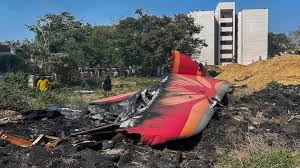
Fuel Control Switches Flipped Before Tragic Accident Killed 260 People
A preliminary investigation into the tragic Air India Flight AI171 crash last month has revealed a startling cause: a sudden and critical cut in the fuel supply to both engines occurred just after takeoff. The Boeing 787 Dreamliner, bound for London from Ahmedabad, crashed moments after leaving the runway, resulting in the deaths of 260 people, including passengers, crew, and individuals on the ground.
This finding, from India’s Aircraft Accident Investigation Bureau (AAIB), sheds important light on the sequence of events leading to one of the deadliest aviation disasters in recent history.
Timeline and Key Findings from the Preliminary Report
Critical Fuel Supply Disruption Just After Takeoff
The aircraft reached an airspeed of 180 knots when the fuel cutoff switches—located between the pilot seats on the Boeing 787—were switched from “RUN” to “CUTOFF” one after another within a one-second interval. This action starved the engines of fuel, causing a rapid loss of thrust.
Cockpit voice recordings captured a pilot asking why the fuel was cut off, with the other pilot denying involvement. Shortly after, the switches were moved back to the “RUN” position, and the engines began to restart, but it was too late to recover.
Engine Response and Emergency Measures
During the initial climb, the plane’s Ram Air Turbine (RAT), an emergency power source, deployed automatically—an indication of engine power loss. Despite efforts to reignite the engines, the plane lost altitude and crashed beyond the airport perimeter.
The preliminary report confirms that the fuel cutoff switches are protected by physical barriers and locking mechanisms designed to prevent accidental activation, making inadvertent switching “extremely rare.”
Technical and Operational Details
Cockpit Controls and Safeguards
The fuel cutoff switches are positioned just behind the throttle levers, protected by metal bars, and require intentional movement to engage. According to aviation safety expert David Soucie, accidental switching of these controls is highly unlikely given the safeguards and design improvements implemented over the years.
Aircraft and Crew Profiles
-
The captain was an experienced 56-year-old pilot with over 15,000 flight hours.
-
The first officer was 32 years old with approximately 3,400 flight hours.
-
The plane’s engines were relatively new, with the left engine installed in late March 2025 and the right in early May 2025.
-
Takeoff weight and flap settings were within prescribed limits.
-
Fuel quality was confirmed to be satisfactory, and there was no evidence of bird strikes or other external factors.
Human Impact and Calls for Accountability
Voices of Grieving Families
Relatives of victims expressed heartbreak and demanded accountability following the report’s release. Naresh Maheswari, who lost his son in the crash, urged investigators to maintain neutrality and called for punishment of those responsible to prevent future tragedies.
Similarly, Niraj Patel, brother-in-law to another victim, stressed the need for the government to implement all necessary safety measures to protect lives going forward.
Casualties on Ground and Air
In addition to the 242 passengers and crew onboard, several people on the ground were killed when the aircraft crashed into the BJ Medical College and Hospital hostel near the airport. This tragedy underscores the widespread human cost of the incident.
Air India’s Response and Ongoing Cooperation
Air India acknowledged receipt of the preliminary report and reaffirmed its commitment to supporting ongoing investigations. The airline expressed solidarity with the families affected and emphasized its dedication to providing assistance during this difficult period.
In a statement posted on X, the airline said:
“Air India stands in solidarity with the families and those affected by the AI171 accident. We continue to mourn the loss and are fully committed to providing support during this difficult time.”
Implications for Aviation Safety
Unprecedented Incident Highlights Need for Rigorous Controls
The incident raises critical questions about cockpit procedures, human factors, and aircraft design safeguards. While fuel cutoff switches are designed to require deliberate action, the preliminary report does not yet clarify how or why they were switched.
Aviation experts will closely analyze these findings to ensure that enhanced training, monitoring, and technology prevent recurrence.
Next Steps in Investigation
The AAIB will continue its detailed investigation, including examining maintenance records, crew training, and potential mechanical factors. Final reports will aim to provide clear recommendations to improve safety protocols and minimize the risk of similar accidents worldwide.
A Tragic Reminder and Call for Vigilance
The Air India AI171 crash represents a profound tragedy with devastating human loss. The preliminary findings focusing on the fuel supply cutoff provide crucial clues into the mechanics behind the disaster but also leave pressing questions unanswered.
As the aviation community awaits the final investigation report, there is renewed urgency to evaluate and reinforce cockpit safeguards, pilot training, and aircraft system designs to uphold the highest standards of flight safety globally.