President’s Suggestion of a Pardon Deepens Credibility Concerns
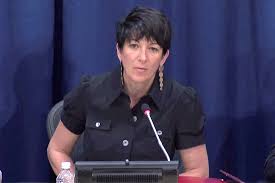
In a move already marred by controversy, the Trump administration has intensified scrutiny over its handling of the Jeffrey Epstein investigation after conducting two days of interviews with convicted sex trafficker Ghislaine Maxwell. The high-profile discussions, led by Deputy Attorney General Todd Blanche, have been portrayed by the White House as a renewed effort to “uncover the truth.” But comments by former President Donald Trump on Friday may have further undermined that narrative.
Trump Opens the Door to Maxwell Pardon
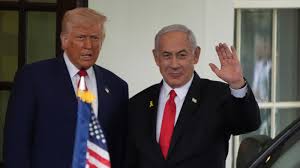
Speaking to reporters en route to Scotland, Trump was asked whether he would consider a pardon for Maxwell. Initially evasive, he finally responded, “It’s something I haven’t thought about,” before adding, “I’m allowed to do it.” The ambiguity of the response drew sharp criticism and reignited concerns over Trump’s historical use of presidential powers to protect allies.
This isn’t the first time Trump has dangled a pardon in politically sensitive cases. During the Mueller investigation, he left open the possibility of pardoning Paul Manafort, Michael Flynn, and Michael Cohen—all key figures whose cooperation could have impacted him personally. Manafort, for instance, was accused of deliberately withholding information during the probe, only to later receive a full pardon.
Trump’s latest comments have led critics to question whether he is again using the presidential pardon as leverage.
A Murky Justice Department Decision
What deepens the controversy is the person chosen to lead the Maxwell interviews: Deputy Attorney General Todd Blanche. Not only is Blanche a Trump political appointee, he also served as Trump’s personal lawyer. His presence immediately sparked allegations of a conflict of interest.
“The conflict of interest is glaring,” Senate Minority Leader Chuck Schumer said. “It stinks of high corruption.”
Further inflaming the situation, Blanche appeared on a podcast last year with Maxwell’s attorney, David Oscar Markus, where he called Markus a “friend” and praised his legal prowess.
A Questionable Ally: Maxwell’s Troubled Record
The decision to place Maxwell at the center of a revived DOJ investigation is perplexing. In 2020, the Trump administration’s own Justice Department accused her of brazenly lying under oath. She was charged with two counts of perjury based on her 2016 civil deposition, during which she denied knowledge of Epstein’s abuse of minors—a claim contradicted by witness testimony and her later conviction.
Despite this record, Maxwell’s attorney Markus has sung the Trump administration’s praises. Last week, he called Trump the “ultimate dealmaker” and this week expressed gratitude that the DOJ was “trying to uncover the truth.” He also hinted at hopes for a pardon, saying, “We hope [Trump] exercises that power in a right and just way.”
A Familiar Playbook
The optics of the DOJ reaching out to Maxwell at this stage bear an eerie resemblance to previous actions by the Trump administration that were widely criticized as political interference. Earlier this year, charges against New York Mayor Eric Adams were dropped in a decision that reportedly came with expectations that Adams would support Trump’s immigration policies. Multiple prosecutors resigned in protest, and the presiding judge questioned whether a “bargain” had been made.
Now, observers worry that a similar quid pro quo may be in play with Maxwell, particularly given her potential to provide information implicating other powerful individuals.
Political Fallout and Public Trust
Legal experts warn that even if Maxwell were to share meaningful information, the perceived lack of impartiality in the process could taint the results. “Witnesses with credibility issues can still contribute to cases,” said former federal prosecutor Laura Mitchell. “But when the credibility of the process itself is questioned, it undermines public trust.”
That trust is crucial in a case as sensitive and high-profile as Epstein’s, which has long been criticized for being shrouded in secrecy and privilege. The Trump administration’s reluctance to release Epstein’s files—despite earlier promises—only exacerbates suspicions.
The Bigger Picture
Ultimately, this episode isn’t just about Ghislaine Maxwell or even Jeffrey Epstein. It’s about the integrity of the justice system and the use of presidential power. If Trump is indeed considering a pardon, even the suggestion of it sends a dangerous message about accountability for the powerful.
The coming weeks will reveal whether this latest chapter in the Epstein saga is a genuine effort to seek truth or another instance of political theater. Until then, Trump’s words—and his history—will cast a long shadow over any conclusions reached.