A Tragedy Repeated, Decades Later
In the early hours of July 4, 2025, a massive wall of water surged through Texas Hill Country, devastating communities along the Guadalupe River and leaving nearly 130 people dead and more than 160 missing. Among the victims were 27 campers and counselors from Camp Mystic, a well-known girls’ camp.
Just 15 miles from the hardest-hit zones, the town of Comfort stood eerily calm—and prepared. That’s because Comfort remembers. In 1987, nearly 40 years ago to the day, a similar tragedy struck this very region. Back then, ten children drowned when a flash flood engulfed a caravan of buses evacuating a church camp. Survivors of that flood are now asking the hard question:
“Why didn’t we learn from 1987?”
Flash Flood Alley: Beauty and Risk in Hill Country
Why the Region Is Prone to Disaster
Texas Hill Country, with its picturesque limestone cliffs, dry rocky terrain, and intertwining rivers, is one of the most flood-prone areas in the United States. Its geography channels Gulf moisture into violent, slow-moving thunderstorms.
According to the US Geological Survey, the Guadalupe River has seen catastrophic flash floods nearly every decade since the 1930s. A 1998 flood even surpassed 500-year flood projections. And it’s not just the Guadalupe—the Pedernales and Blanco Rivers have also recorded deadly events.
“What makes Kerr County so beautiful … is literally the reason why it’s so dangerous,”
– Tom Di Liberto, meteorologist, Climate Central
July 4, 2025: Déjà Vu in the Dark
A Record-Breaking Flood Strikes Again
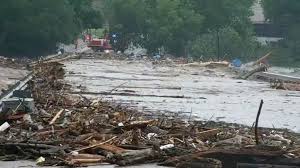
In 2025, the tragedy played out much like it did in 1987—but with deadlier force. In the span of just hours, up to 12 inches of rain drenched the area. The Guadalupe River rose to a historic 37.5 feet, submerging cabins, roads, and campsites. The flooding struck at night—when most were asleep.
Despite 22 alerts issued by the National Weather Service, many residents reported receiving no warnings, or learning of the flood only after it had hit. Rural terrain, spotty cell service, and lack of sirens left people dangerously uninformed.
Meanwhile, Comfort—a town with firsthand trauma—sounded flood sirens in time, successfully evacuating all residents and recording no deaths.
The 1987 Comfort Flood: A Forgotten Alarm Bell
The Day the Guadalupe Turned Deadly
On July 17, 1987, ten children from the Pot O’ Gold Ranch church camp were swept away after their bus stalled on a river crossing. James Moore, then a local NBC reporter, was on the scene:
“We unfortunately found one of the kids. All we saw was the legs under a brush pile.”
One teenager, John Bankston Jr, heroically carried smaller children on his back to safety until the wall of water hit. His body was never recovered. A girl trying to grab a helicopter rope fell to her death. Another was swept away after losing her grip.
The tragedy made headlines—and promises were made. Roy Sedwick, then coordinator of Texas’s flood management unit, wrote:
“We must all look into ourselves … to prevent such a tragic loss of life.”
But 40 years later, families are left asking: What did we actually change?
Campers, Counselors, and the Human Toll
From Memories to Mourning
Emily Davis, now an adult, was a 10-year-old camper at Camp Capers in 1987. Her camp, located on higher ground, was safe—but the memory of what happened just miles away has haunted her since.
“It just became very haunted and eerie. I wanted nothing to do with that river.”
In 2025, Camp Mystic—just upriver from where Davis camped—wasn’t as fortunate. 27 people, mostly girls, lost their lives. Their cabins were obliterated. Their futures, gone in seconds.
The scenes mirrored the past: helicopters overhead, debris floating downstream, and families left to hope and search.
The Siren That Never Sounded
A $1 Million System That Could Have Saved Lives
For more than a decade, Kerr County debated installing a flood siren system—but progress stalled due to political disputes and budget concerns. Earlier this year, a House bill to fund early warning systems across Texas passed but died in the Senate.
In the aftermath of the disaster, state officials have vowed to revive and fund the system. But for many, it’s too little, too late.
“Are we doing enough as a society to warn people?”
– Tom Di Liberto
Meanwhile, Comfort—armed with sirens installed after scraping together local funds—proved the system works. Sirens went off early, residents evacuated, and not a single life was lost.
Moving Forward: Memory as Infrastructure
Is Public Memory Enough to Drive Change?
Despite the staggering loss of life in 1987 and again in 2025, Texas communities are still playing catch-up when it comes to disaster preparedness. Experts say extreme weather, fueled by climate change, is no longer a question of “if” but “when and how bad.”
In towns like Comfort, memory fueled action. But memory fades, and without policy, funding, and consistent action, disasters will continue to escalate.
Now, as the state surveys the wreckage and mourns the dead, one lesson rings louder than any siren:
The time to prepare was yesterday.
Will We Listen This Time?
Two floods. Two generations. One river. The tragedies of 1987 and 2025 aren’t isolated flukes—they are part of an escalating pattern in flash flood alley.