Iran’s Ruthless Deportation Drive Sends Afghan Women Back to Taliban Misery
A Mass Exodus With No Mercy
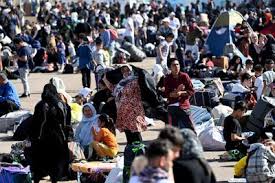
In an escalating humanitarian emergency, Iran has forcibly deported more than 250,000 Afghans in the past month alone — including thousands of unaccompanied women and children — as part of a rushed campaign to expel 4 million undocumented Afghan nationals before a government-imposed deadline. Human rights observers warn that this surge in expulsions is not only inhumane but may lead to widespread destitution and repression, especially for women returning to Taliban-controlled Afghanistan.
Living Under Gender Apartheid
Return to a Regime That Forbids Women to Work, Travel, or Speak Freely
Since reclaiming power in 2021, the Taliban has imposed one of the world’s most repressive regimes against women. The laws require every woman to be accompanied by a male guardian (mahram) in public, bar them from employment, education, and even basic freedom of movement, and impose brutal punishments such as public floggings for disobedience.
For deported women like Sahar*, a 40-year-old widow with five children, returning to Afghanistan is akin to being sentenced to life in an open-air prison. Detained at night from a refugee camp in Shiraz, Iran, she was forced onto a bus without being allowed to collect her belongings. “They threw us out like garbage,” she told Zan Times and The Guardian.
Women Left Stranded in a Country That Won’t Let Them Exist
No Shelter, No Rights, and No Male Guardian
With Iran now forcibly removing unaccompanied women, many have found themselves stranded at border crossings such as Nimroz and Islam Qala. The scorching 52°C temperatures have already led to multiple deaths, with at least 13 bodies arriving at checkpoints in the past two weeks.
Under Taliban rules, women cannot travel to their home provinces, receive land, or even access food aid without a male escort. One woman, recently deported with a four-day-old baby, was denied shelter. “They said: ‘You’re not eligible. You don’t have a man with you.’”
Despite Taliban claims that temporary shelters and transportation exist for women without a mahram, numerous deportees report receiving no assistance. Instead, they rely on the kindness of strangers or distant relatives, often facing hunger and abuse.
Systemic Abuse in Transit
Bribes, Verbal Assaults, and Inhumane Conditions
The deportation journey itself is harrowing. Women describe being crammed into buses without air conditioning in extreme heat, verbally harassed by drivers, and forced to pay exorbitant prices for basic necessities. “My bank card had 15 million tomans [£110],” Sahar said. “They charged 50,000 tomans for a bottle of water, 100,000 for a cold sandwich. If you didn’t pay, your child went without.”
Zahra*, another deportee, shared a chilling account: “My child cried from the heat, but the driver laughed and mocked us. They said it’s a waste for you Afghans.”
A Global Crisis With No Lifeline
International humanitarian organizations, including the UN’s International Organization for Migration (IOM), are offering short-term aid such as SIM cards, water, and transport at border crossings. However, they lack the mandate or resources to provide long-term support for deported women.
Without housing, documentation, or legal rights under Taliban rule, these women face an impossible choice: suffer quietly or risk punishment for trying to survive.
Silence and Indifference Amid a Gendered Catastrophe
The forced deportation of unaccompanied Afghan women comes amid growing global silence and regional political apathy. Iran has framed the deportations as lawful enforcement of immigration policy, while the Taliban continues its campaign of gender repression without accountability.
Meanwhile, the international community remains largely reactive, focusing on emergency relief rather than preventive diplomacy or resettlement options. There are no clear pathways for these women to seek asylum elsewhere, and repatriation under Taliban rule effectively becomes a death sentence for autonomy and dignity.
Urgent Calls for International Intervention
Experts and human rights activists are calling on the United Nations and global powers to intervene, establish safe corridors, and pressure both Tehran and Kabul to halt the exploitation and repression of Afghan women.
“What we are seeing here is not just deportation — it’s the weaponization of gender against the most vulnerable,” said one humanitarian worker at the Afghan-Iranian border.
Until then, for the thousands of Afghan women thrown out of Iran and tossed into Taliban territory, survival remains a daily battle with no end in sight.